Bitcoin Wallets
A Bitcoin wallet holds the keys before any of it reaches a casino cashier. How the wallet types differ on keys, fees, backups and recovery.
On this page — 8 sections
Updated:
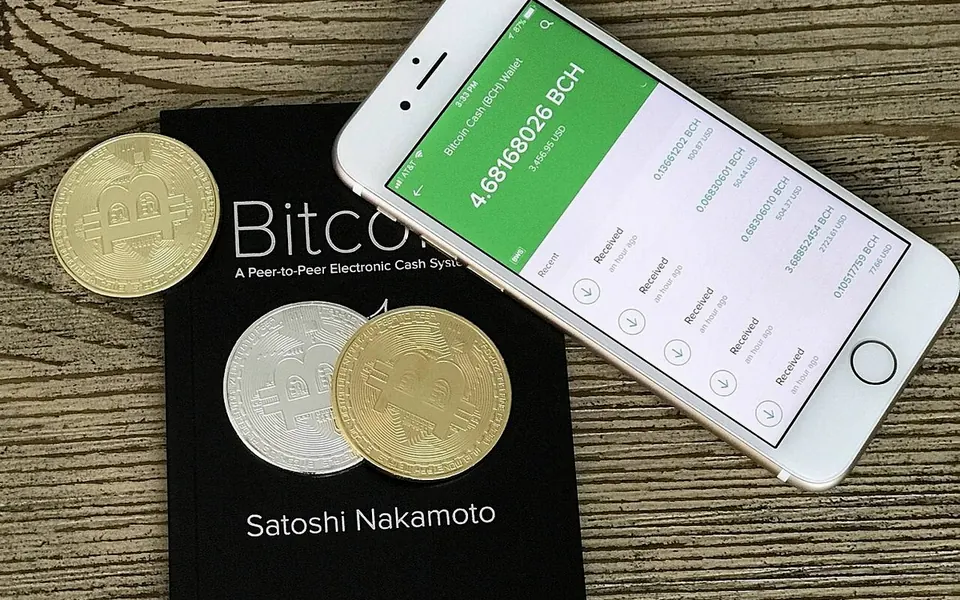
As a user of bitcoin - or indeed any cryptocurrency - it is imperative to have what is known as a wallet. If you have physical money, you need a wallet or purse to keep it in, right? Well, a bitcoin wallet works the same way. It is a place for you to store your cryptocurrency. As the popularity of bitcoin has grown, so has the number of wallets available for you to use to store these virtual coins. If you are a newcomer to the world of bitcoin, the sheer volume of options in this area can be a little overwhelming. This is why it is important to do some research on what is available and how it will benefit you before you buy. So here is something of a guide to different bitcoin wallets and how they are used.
Best Online Gambling Sites 2026
10 sites · checked


Order is set by our published method — payout record, licence, banking and complaint history. Links marked «Visit site» are commercial. How we rank
What Exactly Is a Bitcoin Wallet?
To clarify, a bitcoin wallet is essentially a piece of software that stores your virtual bitcoin. Although, if you want something that's more technically accurate, the bitcoin itself isn't actually stored anywhere. A private key is known for each bitcoin address that is stored within the owner's bitcoin wallet. Therefore, a bitcoin wallet generally provides the ability to send and receive the cryptocurrency, while granting ownership of the entire bitcoin balance to its user. Digital wallets are growing in popularity.
Bitcoin wallets can be found in several different forms, including a desktop wallet, a smart wallet, a web wallet, and a hardware wallet. These are the four main styles that can generally be found, although other options are also available. Some users prefer to use web wallets for convenience.
The wallet itself is nothing physical. It's a virtual wallet, and it's one of the main things you need to obtain the cryptocurrency. It's very similar to having cash in real life. When you deposit money or withdraw it from an ATM, for example, in most cases it goes straight into a wallet. That's where you store it until you're prompted to spend it. A bitcoin wallet works exactly the same way. Consider keeping your wallet in a safe place.
Of course, because bitcoin isn't tangible money, what's actually stored in a bitcoin wallet is a huge amount of data. All of this data is tied to your ability to access bitcoin addresses, perform transactions, and details surrounding your secure private password.
1. Desktop Bitcoin Wallets
You probably already know that the desktop of a computer is what you see when you boot it up and log on. It is where all of your applications and other software are easily accessible. Should you decide to create a desktop bitcoin wallet, the wallet itself will be accessible from your desktop. By creating and using one of these, you, the user, have complete control over it.
These desktop wallets allow you to create a bitcoin address for both sending and receiving bitcoin. They also allow you to store a private key. Of course, the desktop wallet is basically downloaded to your computer's desktop and stays there. While this is a convenient option in many ways, it does have its drawbacks. If you also use this computer to browse the Internet and perform other online activities, there is a chance that it will always be open to external threats.
For this reason, some Bitcoin users choose to store their desktop wallet on a USB flash drive or external hard drive. In this way, the external source can be connected to the computer, any necessary bitcoin transactions can take place, and then the online connection is severed when the external source is disconnected.
2. Mobile Bitcoin Wallets
Mobile bitcoin wallets work in a similar way to desktop wallets. They function the same way, except that you can take them with you wherever you go. In contrast, a desktop wallet must always remain on your computer's hard drive. With mobile applications that act as bitcoin wallets, they are accessible to you whenever you have an online connection from your device.
Mobile wallets have exactly the same functionality as a desktop wallet, allowing you to send and receive Bitcoin from your smartphone or tablet. In addition, these mobile wallets allow you to make payments at physical stores that accept bitcoin transactions. The touch-to-pay options that some of these companies offer via QR code or NFC scanning work perfectly with mobile bitcoin wallets.
Some of the most popular mobile wallets include Hive Android, Mycelium Bitcoin, and Bitcoin Wallet. Generally speaking, you will not find a mobile wallet that works on both Android and iOS devices. You will need to find one that is specific to your device. As with the desktop wallet, the app itself is stored on your mobile device.
3. Web Bitcoin Wallets
A web wallet is basically what it sounds like. It is a wallet that exists on the internet. Some people choose to use web wallets from the exchanges that they buy and sell to and from, such as Coinbase or Blockchain. In this respect, bitcoin will quickly go out of the exchange wallet and into the exchange wallet in about the same amount of time.
While this may seem like a convincingly easier thing to do, it comes with some big risks. The online world is a vast space filled with hacks and bugs, and these can go out and attack anything. While exchanges and bitcoin itself come with certain security measures, there are no guarantees that these sites and the currency will not be hacked. If your chosen exchange is hacked and you store your funds in a web wallet, your Bitcoin is at great risk of being completely wiped out.
This is why web wallets are considered the least secure of all possible bitcoin wallets. You have no real control over the wallet itself, your bitcoin is left there, and it is really up to the security of the website to prevent your funds from being stolen. For this reason, it is advisable not to use these particular types of bitcoin wallets for long periods of time. Instead, it is probably better to simply use them as a means of transferring funds from one place to another.
4. Hardware Bitcoin Wallets
When it comes to security, hardware wallets are the most secure option available. These wallets allow you to store your bitcoin on a physical device. They are usually connected to your computer via a USB port, meaning that you can plug them in and take them out at your convenience. They are almost completely immune to virus attacks, and very few cases of bitcoin theft have been reported.
The only major drawback to hardware wallets is that you have to buy them upfront. They are not free. Sometimes they can cost upwards of $200. However, once you make that upfront payment, the device itself is yours to use whenever you want.
Some of the most popular hardware bitcoin wallets come in the form of the Ledger Nano S and the Trezor Wallet. Both of them allow you to store not only bitcoin, but several other cryptocurrencies as well. Both of these hardware wallets can be taken anywhere, as they are compact but have the ability to store a lot of bitcoin information.
In any case, it is imperative that your bitcoin wallet is kept safe and secure. They are, of course, very high-profile targets for any type of online hacker. However, there are various safeguards that you can put in place, at least with the majority of wallets. These include encrypting it with a strong password and, as mentioned earlier, keeping the wallet away from an online source. If you choose to use a mobile or desktop wallet, it is important to back it up. That way, if there is a problem with the software itself on your computer or mobile device, your bitcoin holdings will not be completely wiped out.
What About a Paper Bitcoin Wallet?
When you think of the words "paper wallet," what is the first thing that comes to mind? For us, we would say a wallet made of paper. What else would you think of? Well, a bitcoin paper wallet is basically what it sounds like. Something on paper!
Basically, a paper wallet is a public and private key printed together. It works as an offline wallet - usually referred to as a type of -cold storage- wallet. This refers to an extra-secure method of storing your bitcoin because it is not in contact with the hackable Internet. Unfortunately, there are certain differences that bring different features to the forefront with paper wallets.
Printed on the piece of paper (or rather, the paper wallet) are the wallet's private and public keys. This is usually displayed in QR form, with the public key serving as the wallet address. The keys on this piece of paper can be copied and pasted into a Word document and then printed out, deleting the computer copy afterwards. Alternatively, you can use one of the free web services to generate the printable wallet for you. Key generation is usually done through your browser, so it is never transmitted over the Internet.
Bitcoin is then sent to the paper wallet by you using the relative public address displayed on the paper wallet. All you have to do is keep the piece of paper with the wallet details in a safe place. You can keep your paper wallet inside a physical wallet, or perhaps in a safe at home. Whatever you choose, paper wallets are often considered even more secure than hardware wallets under certain circumstances.
Of course, someone could find your paper wallet, take that printout, and then use any bitcoin associated with it. Therefore, you must be very careful to keep the paper wallet away from prying eyes in order to keep your bitcoin as safe as possible.
Which Is the Best Type of Bitcoin Wallet to Use?
While we would never wholeheartedly recommend using a web wallet for any length of time, the remaining options all have their pros and cons. The most important piece of information to consider when creating a bitcoin wallet is how secure your funds will be.
Buying bitcoin from an exchange or even mining it requires a wallet to store it in, so there is no other way to become part of the bitcoin phenomenon without one.
At the end of the day, though, you as the Bitcoin holder need to figure out which one works best for you. Once you decide on a wallet, you can buy, sell, and mine bitcoin as you please.
Checked by the USOnlineCasinos deskLedger entry updated . We re-open every page when a licence, a payout rule or a banking limit changes — the date above is the last time this one was verified against the operator. Our method · Report an error